
What to Know About Bend Oregon Winters Before You Move Here
What are Bend, Oregon winters really like? Kelly Johnson, a Bend realtor since 2007, gives the honest truth about snow, sun, and skiing before you move.
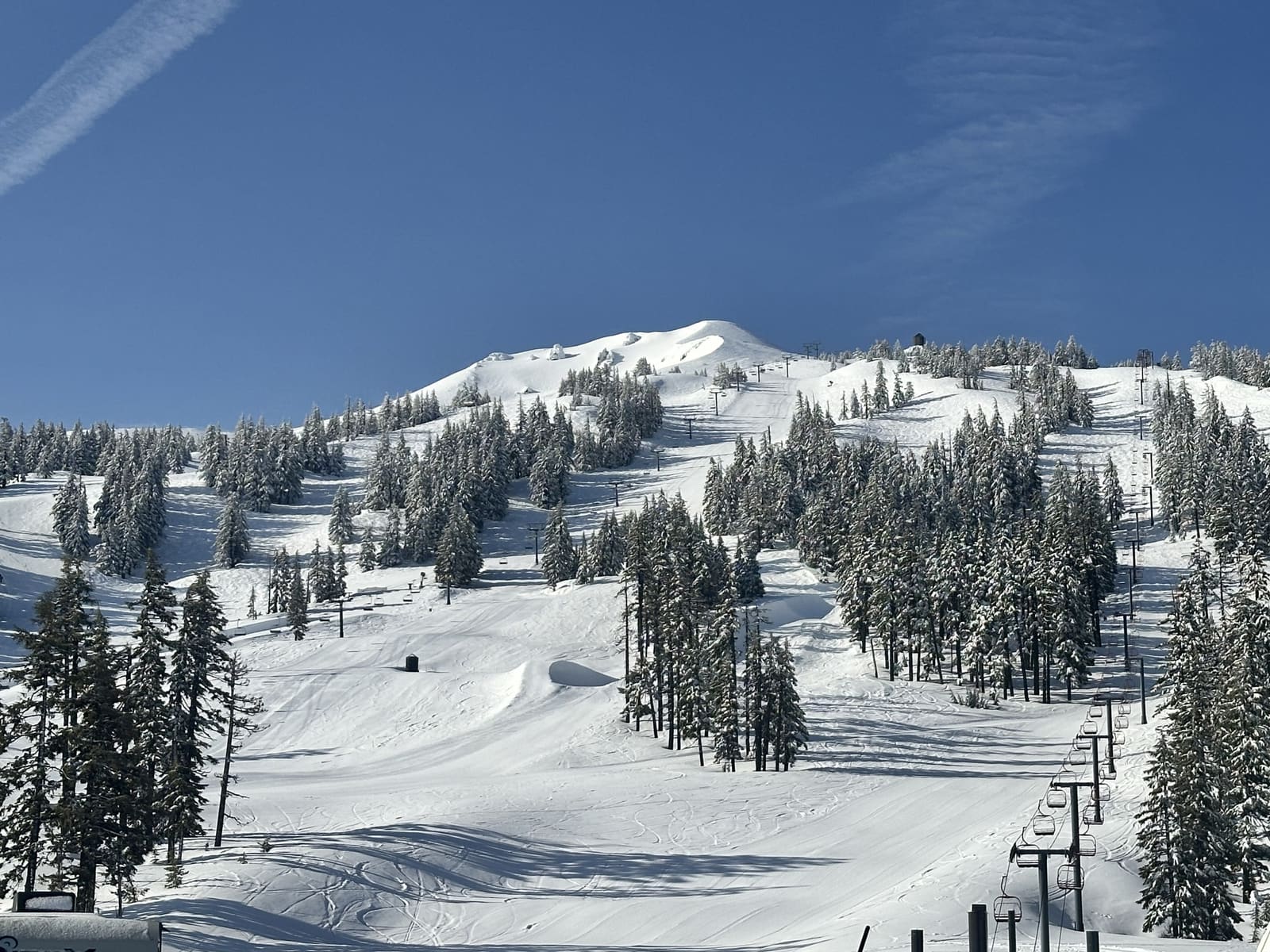
I had a client from San Diego stand in my office in January, look out the window at six inches of fresh snow on the ground, and ask me, completely serious, whether this was normal or whether she had just gotten unlucky. It was normal. It happens most winters, more than once. Most people who research Bend focus on the summers, and honestly, the summers are spectacular. But if you are thinking about moving here, you need the real picture of what winter actually looks like, not just the postcard version. I have been living and selling real estate in Bend since 2007, so here it is.
Bend Gets Real Snow
Bend sits at 3,600 feet elevation in the high desert east of the Cascades, and that elevation means real winters, not a mild Pacific Northwest drizzle. We typically get several significant snowfalls between November and March, and it is not unusual to wake up to six inches of snow on the ground overnight. Roads get icy, especially on the hillier streets in NW Bend. Schools occasionally delay or close. You need an ice scraper in the car, and you need to actually know how to drive on snow and ice, not just own a vehicle that theoretically can.
If you are coming from coastal California or the west side of the Pacific Northwest, this is a genuine adjustment, and I say so directly rather than letting people find out the hard way in January. If you are coming from the Midwest or Mountain West, you will feel right at home and may even find Bend’s winters mild by comparison.
But the Sun Almost Always Comes Back
Here is what makes Bend winters different from places like Portland or Seattle, and it is the thing that surprises relocators most. Even in the middle of winter, Bend gets sun. A lot of it. You might get six inches of snow on a Tuesday and be hiking in a t-shirt by Friday. The high desert climate means storms move through quickly and blue skies return fast, rather than settling into weeks of gray. That combination, real seasons without the endless overcast drizzle that defines much of the Pacific Northwest, is one of the things longtime Bend residents mention most when I ask why they stay.
Mt. Bachelor Is Right There
If you ski or snowboard, Bend winters are not a burden, they are the entire point. Mt. Bachelor is 22 miles from downtown and consistently ranks among the best ski resorts in the Pacific Northwest. Season pass holders here ski on their lunch break during the work week. Families spend entire weekends on the mountain from November through April. The same snow that makes your Tuesday commute slower becomes the powder you are skiing on Saturday, and for a meaningful share of the people who relocate to Bend, that tradeoff is exactly why they came.
What Winter Costs You in Daily Life
Beyond the obvious, snow tires or chains, a good coat, real winter boots, there are practical costs worth planning for. Heating bills rise in the colder months. Homes with steep driveways sometimes need a plow service or a lot of shoveling. If you work from home, a reliable heat source and a generator or battery backup are worth considering, since occasional winter storms can knock out power for a few hours. None of this is dramatic, but it is different from what someone moving from a milder climate is used to budgeting for.
A Real Scenario: The First Winter Adjustment
A family who relocated from Austin two winters ago told me their first snow week nearly made them question the move. They had not owned an ice scraper in their adult lives, and the icy commute down a hillside NW Bend street rattled them. By February, after a season pass to Mt. Bachelor and a few genuinely sunny weeks between storms, their tone had completely changed. Their kids were begging to go skiing every weekend. That arc, initial shock followed by real enthusiasm once the rhythm clicks, is the most common pattern I see with relocating families, and I tell people to expect exactly that rather than assuming either extreme.
What You Actually Need
A good all-wheel drive or four-wheel drive vehicle makes a significant difference in Bend, and I recommend it strongly for anyone planning to drive regularly in winter conditions. Snow tires are not legally required but many longtime residents swear by them for the added traction on icy mornings. A good coat, decent waterproof boots, and a genuine willingness to embrace the season round out the list. Beyond gear, the biggest adjustment is mental: budgeting extra time for winter commutes and accepting that some days you simply drive slower.
Common Mistakes Newcomers Make About Bend Winters
Assuming Bend’s winters are mild because it is in Oregon. Western Oregon and Central Oregon are climatically very different. Bend’s high desert winters are colder and snowier than Portland’s.
Not budgeting for winter gear and vehicle needs before arriving. Buyers who move in summer sometimes get caught unprepared when the first real snowfall hits in November or December.
Underestimating how quickly conditions can change. A sunny morning can turn into an icy afternoon commute, especially on hillside streets, so building in flexibility matters more here than in a flatter, milder climate.
Writing off Bend because of winter without considering Mt. Bachelor’s proximity. For anyone who skis or snowboards, or is willing to try, winter here is genuinely one of the best parts of living in Bend rather than something to simply endure.
Not asking about a specific home’s winter performance before buying. Driveway grade, roof design, and how a street gets plowed all affect how manageable a given home is in winter, and these details are worth asking about directly during a showing, not discovering the first snowy week after closing.
How Winter Affects Home Shopping Itself
If you are house hunting during the winter months, a few practical things change. Roof and gutter condition become much easier to assess with snow on the ground, since you can actually see how well a home has been maintained for the season. Driveway grade and orientation matter more than buyers touring in July tend to appreciate, a steep, north-facing driveway can be a genuine daily headache from November through March. And moving logistics themselves, scheduling movers, coordinating a closing around a storm, take more planning than a summer move does. None of this should discourage a winter purchase, it is often a smart time to buy, but it is worth going in with realistic expectations about the process itself, not just the eventual payoff of skiing season.
Bottom Line
Bend winters are real, but they are manageable, and for most people who move here they end up being one of the best parts of the year rather than something they merely tolerate. The key is going in prepared rather than surprised, and knowing the best time of year to move can help you plan your relocation timeline around the season rather than against it.
Frequently Asked Questions
How much snow does Bend, Oregon get in winter? Bend typically sees several significant snowfalls between November and March, with waking up to a few inches on the ground overnight being common, though the high desert climate means storms move through quickly.
Is Bend colder than Portland in winter? Bend often sees more snow than Portland due to its elevation and high desert location east of the Cascades, but it also gets significantly more sunshine, even in winter, than Portland’s persistent gray.
Do I need a four-wheel drive vehicle to live in Bend? It is not legally required, but it makes a real difference navigating winter roads and is strongly recommended if you will be driving regularly during the snowier months.
How far is Mt. Bachelor from Bend? Mt. Bachelor is about 22 miles from downtown Bend, close enough that many residents ski on their lunch break during the season.
Will winter affect my home search or moving timeline in Bend? It can. Showings, inspections, and moving logistics all take a bit longer in winter conditions, which is worth factoring into your timeline, though winter can also mean less buyer competition and sellers who are more willing to negotiate.
Is Bend a good place to live if I do not ski or snowboard? Yes, though winter is a bigger adjustment if outdoor winter recreation is not part of your routine. The sunshine and shorter storm cycles still make it more manageable than a typical Pacific Northwest winter.
How long does winter actually last in Bend? The core snow season generally runs November through March, though snow can occasionally appear in October or April. Sunny, mild stretches show up throughout that whole window, which is part of what makes Bend winters feel shorter than the calendar suggests.
If you are weighing a move to Bend and want an honest read on what winter here actually feels like day to day, let’s talk before you commit to a season for your move. Call or text me at 541-610-5144, email [email protected], or find me at gobendhomes.com.
Kelly Johnson | Go Bend Homes | Bend Oregon Realtor since 2007 | Live Where You Love