
Moving to Bend Oregon in 2026: What You Need to Know Before You Go
Moving to Bend, Oregon in 2026? Kelly Johnson, a Bend realtor since 2007, covers the current market, cost of living, and honest trade-offs before you relocate.
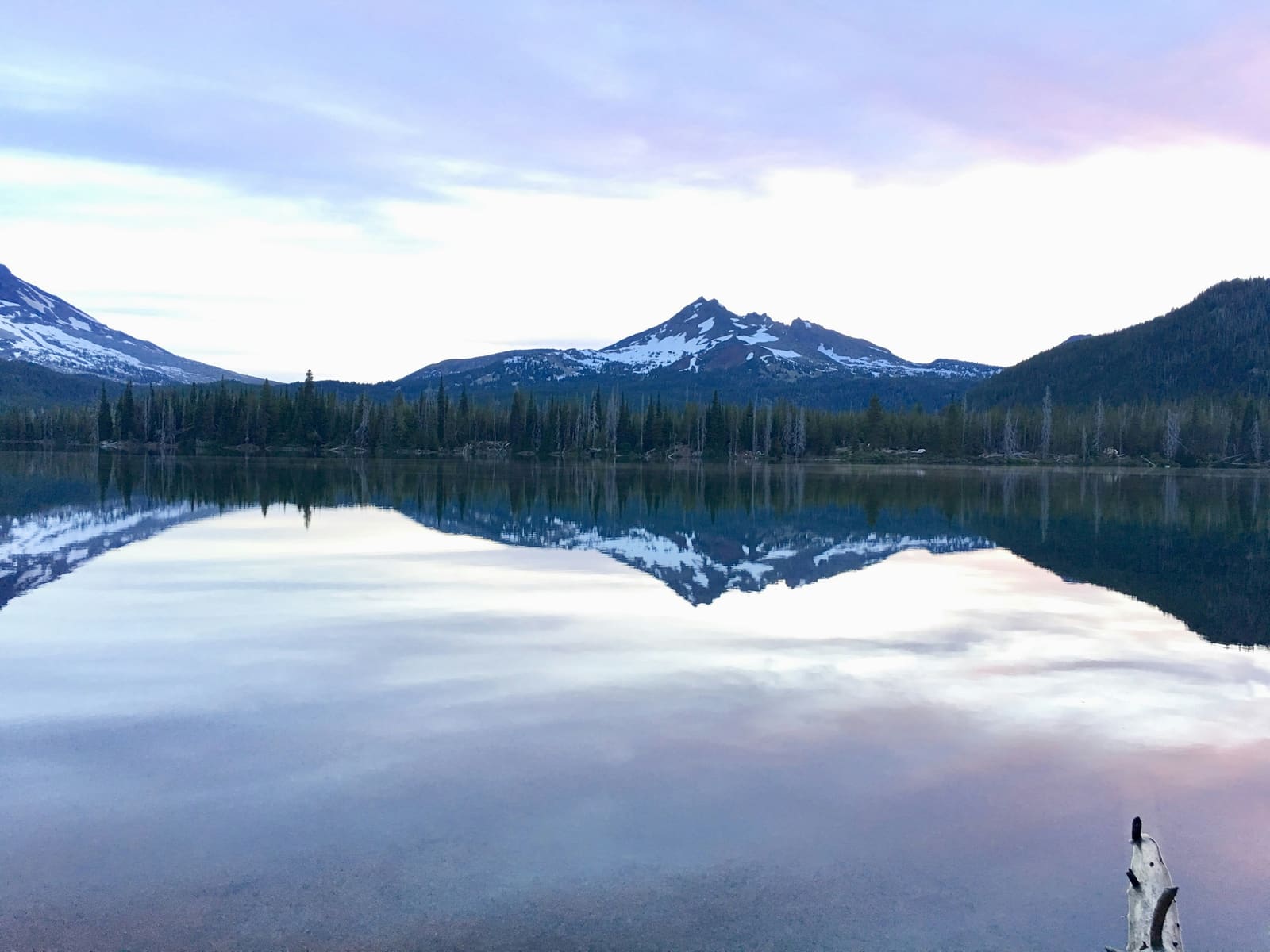
Bend has been one of the fastest growing cities in the Pacific Northwest for over a decade, and in 2026 it is still drawing people from Seattle, Portland, the Bay Area, and beyond. If you are thinking about moving here, you are far from alone. But before you pack up and head to Central Oregon, here is what you actually need to know about the market and the lifestyle as they stand right now, not as they were five years ago.
The Housing Market in 2026
The median home price in Bend is hovering around $675,000 to $700,000 as of 2026. That is not cheap. If you are coming from a high cost city like San Francisco or Seattle, you may find it comparable or even a bargain depending on what you are used to. If you are coming from the Midwest or a smaller city, the sticker shock is real, and I would rather tell you that upfront than let you discover it mid-search.
The good news is that the market has stabilized compared to the frenzied years of 2021 and 2022. There is more inventory, roughly five months of supply, more negotiating room, and more time to make a thoughtful decision instead of waiving every contingency to compete. As a Bend Oregon realtor since 2007, I have seen every version of this market, and right now is actually one of the more buyer-friendly stretches in recent memory.
Where Your Budget Actually Lands
This is the part most general relocation guides skip. In NE and SE Bend, $600K to $750K typically buys a newer, well-built single-family home with a real yard. In NW Bend, that same budget more often buys an older home that needs updating, and a true mountain view generally requires a budget well over $1M. SW Bend sits in between, where $750K to $900K starts opening up real mountain views without needing to reach the $1M-plus tier. Knowing this before you start touring saves relocating buyers from falling for a neighborhood their budget cannot actually reach.
Cost of Living Beyond the Mortgage
Bend’s overall cost of living runs about 27% higher than the national average, and housing is the main driver of that number. The flip side is that Oregon has no sales tax, which adds up quickly on everyday purchases, and the quality of life you get for the money is genuinely hard to match anywhere else in the country for a city this size.
The Lifestyle Is Real
People move to Bend for the lifestyle and they stay because it delivers on the promise. About 300 days of sunshine a year. World class mountain biking, skiing at Mt. Bachelor, the Deschutes River running right through town, and a downtown full of great restaurants and local breweries. It sounds like a brochure until you actually live it, and people who live here consistently tell me it holds up to the hype in a way a lot of relocation destinations do not.
Things Nobody Warns You About
A few honest things to prepare for before you commit. Wildfire smoke is a real factor in late summer, some years are worse than others, and air quality can spike significantly for stretches at a time. Juniper pollen in spring affects many people who never had seasonal allergies before moving here. Traffic has grown along with the population, and some corridors, particularly around the roundabouts on the westside, can get genuinely congested during peak hours. And the remote workforce that helped fuel Bend’s growth means housing competition can come from buyers earning salaries well above what the local job market typically pays, which affects pricing across the board.
A Real Scenario: Timing a 2026 Move
A software engineer relocating from Austin with a fully remote job reached out to me in early 2026 wanting to move by summer. We started the conversation four months out, got him pre-approved immediately even though he was not ready to tour yet, and used that lead time to narrow his neighborhood search to NE Bend based on budget and his stated priority of a real yard for his dog. When he flew out for a single house-hunting trip in May, we toured eight homes over three days and wrote a competitive offer on the second day. That kind of lead time, doing the prep work months before the actual move, is consistently what separates relocating buyers who land the home they actually wanted from those who end up settling for whatever is available during a rushed, compressed timeline.
Is 2026 a Good Time to Move to Bend?
Yes, if you are financially ready and clear on what you want. The market is more balanced than it has been in years. Inventory is available across most price tiers. And Bend is still Bend, one of the most genuinely livable small cities in America, even with the honest trade-offs factored in.
Renting First vs. Buying Right Away
Some relocating buyers ask whether they should rent for six months to get oriented before buying. It can make sense in specific situations, if your job requires a probationary period before you are settled, or if you are genuinely unsure which quadrant of the city fits your family. But I tell most clients that renting first in Bend carries real costs of its own: you are paying rent while home prices and rates can move against you, and you lose the negotiating leverage of being pre-approved and ready to move quickly the moment you actually decide to buy. For clients who are reasonably confident about the move and have done real research into neighborhoods, buying directly, supported by thorough remote research and a well-planned house-hunting trip, usually serves them better than an extended rent-first period.
Common Mistakes to Avoid Before Your 2026 Move
Waiting to get pre-approved until you are ready to tour. Start the financial groundwork months before your actual move date, even if you are not ready to look at homes yet.
Assuming your budget behaves the same in every quadrant. The same dollar amount buys very different homes depending on whether you are looking in NE, SE, SW, or NW Bend.
Only researching the lifestyle and skipping the practical trade-offs. Wildfire smoke, spring pollen, and a smaller job market are all real factors worth planning around, not surprises to discover after you arrive.
Underestimating how quickly good homes move. In a market with five months of inventory, that still means well-priced homes in popular price ranges go quickly, especially in the $600K to $800K tier.
Not budgeting for the practical setup costs of a relocation. Vehicle registration, utility deposits, and outfitting a home for winter all add up beyond the purchase price itself, and it is worth planning for them as part of your overall moving budget.
Frequently Asked Questions
What is the median home price in Bend in 2026? Around $675,000 to $700,000 citywide, though it varies significantly by quadrant, from $600K to $750K in NE and SE Bend to well over $1M for a true mountain view home in NW Bend.
Is 2026 a good time to buy in Bend? Yes, for buyers who are financially ready. The market has more inventory and more negotiating room than it did during the 2021 and 2022 peak, making it one of the more balanced stretches in recent years.
What should I know about Bend’s cost of living before moving? It runs about 27% above the national average, driven mainly by housing, though Oregon’s lack of sales tax offsets some of that on everyday spending.
Are there real downsides to living in Bend? Yes, and I tell every relocating client about them honestly: late summer wildfire smoke, spring pollen, growing traffic in certain corridors, and a smaller job market than a major metro.
How much lead time should I give myself before moving to Bend? As much as possible. Starting the pre-approval process and neighborhood research months before your actual move date consistently produces better outcomes than a rushed, compressed search.
Which part of Bend should I move to in 2026? It depends on your budget and priorities. I recommend reviewing where your budget actually lands by quadrant before falling in love with a specific neighborhood.
Is Bend still growing in 2026? Yes, though at a more sustainable pace than the explosive growth years of the early 2020s. New construction continues across several quadrants, and the population continues to grow steadily rather than in the sharp spikes seen a few years ago.
If you are relocating to Bend and want someone who knows every neighborhood, every pocket of value, and every pitfall to avoid, I have been doing this here since 2007. Call or text me at 541-610-5144, email [email protected], or find me at gobendhomes.com.
Kelly Johnson | Go Bend Homes | Bend, Oregon | Live Where You Love