
Are Bend Oregon Home Prices Dropping or Rising in 2026?
Are home prices in Bend, Oregon rising or falling in 2026? Kelly Johnson, a Bend realtor since 2007, gives the honest data-backed answer for buyers and sellers.
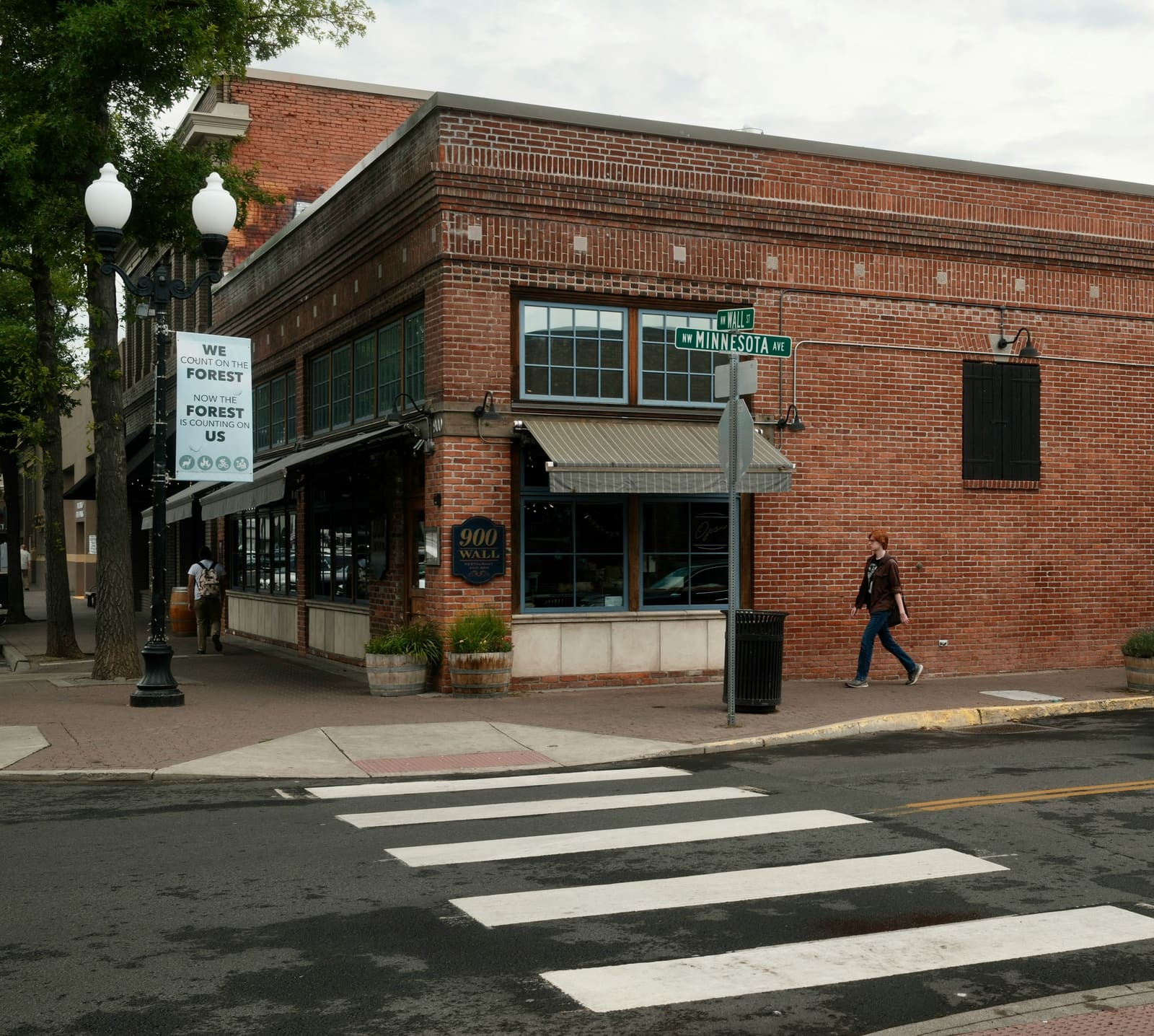
Bend home prices are not crashing. They are also not flying up the way they were in 2021. That is the honest, unglamorous answer to the question I hear constantly right now, from buyers hoping for a real deal and sellers wondering nervously if they missed the peak. We are in a slower, more balanced market, and that is actually a healthier place for both sides than the extremes on either end.
What the Numbers Actually Show
Median home prices in Bend are holding relatively steady in the $700K to $730K range as of mid-2026. That is down modestly from the peak years of 2021 and 2022, but nowhere near a collapse, and it has held roughly steady rather than continuing to slide. Inventory is up, sitting around five months of supply, which is more than Bend has seen in years and gives buyers meaningfully more options and more negotiating leverage than they have had since before the pandemic-era frenzy.
That said, the citywide median hides real variation by quadrant. NE and SE Bend inventory in the $600K to $750K range has stayed the most consistently competitive segment of the market, still frequently drawing multiple offers when priced correctly. NW Bend, where true mountain views generally require a budget north of $1M, has cooled more noticeably at the very top of the market, where buyer pools are naturally thinner.
What This Means for Buyers
This is genuinely a better time to buy than 2021 or 2022 was. You have real choices instead of a handful of homes to fight over. You can negotiate on price, closing costs, or repair credits in ways that were nearly impossible three years ago. You have time to do proper due diligence, get a real inspection, and think through a decision instead of waiving contingencies just to compete. Buyers who sat out the market during the peak years and are now re-entering are consistently telling me the experience feels fundamentally different, less frantic, more thoughtful.
What This Means for Sellers
Pricing matters more than it has in years. The buyers who are actively out there right now are informed and patient, not desperate. Overpriced homes sit, sometimes for months, and then chase the market down with reductions that leave sellers netting less than if they had priced correctly from the start. Homes priced correctly for the current market are still selling, often quickly. Condition and presentation matter more than they did when buyers were waiving inspections and buying sight unseen off a listing photo.
A Real Scenario: A Seller Who Waited Too Long to Adjust
A seller I spoke with in early 2026 had listed her home in late 2025 at a price based on what her neighbor’s home sold for during the 2022 peak. It sat for eleven weeks with almost no showings. By the time she called me for a second opinion, comparable homes had sold for nearly 8% less than her asking price, and her listing’s long days on market had started working against her, signaling to buyers that something might be wrong even though the home itself was in great shape. We repriced based on current sold comps, refreshed the photos, and it sold within three weeks at the new number. Had she priced correctly from the start, my honest read is she would have netted more, not less, despite the lower initial asking price.
Is This a Buyer’s Market or a Seller’s Market?
Neither, cleanly. It is a market that rewards preparation on both sides. Buyers who are pre-approved and decisive still win the best homes. Sellers who price correctly and present their homes well still sell quickly and for strong numbers. The days of every strategy working regardless of execution, which defined 2021, are over, and that is a healthier long-term dynamic even though it requires more effort from everyone involved.
How This Compares to Other Central Oregon Markets
Bend does not move in isolation. Nearby markets like Redmond and Sisters, and resort communities like Tetherow and Brasada Ranch, tend to follow similar broad trends but with their own local dynamics layered on top. Redmond has generally offered a lower price point and has absorbed some of the buyer demand priced out of Bend proper, while resort communities behave more like a distinct market tied to second-home and investment buyers rather than the primary-residence dynamics driving most of Bend. If you are weighing Bend against these nearby options as part of your search, it is worth understanding that a headline about “Central Oregon home prices” is usually blending several genuinely different markets into one number, and that blended number can obscure what is actually happening in the specific area you care about.
Common Mistakes People Make Reading This Market
Assuming five months of inventory means prices are falling sharply. More inventory means more buyer choice and negotiating room, but Bend’s median has held relatively steady, not collapsed.
Sellers anchoring to 2021 or 2022 sale prices. Those numbers reflected an entirely different market. Current sold comps, not peak-year comps, are the only reliable pricing reference now.
Buyers waiting for prices to drop further before acting. Bend’s fundamentals, the lifestyle, the outdoor access, the community, remain strong, and there is no clear signal pointing toward a significant further decline.
Treating the citywide median as uniform across every neighborhood. Price behavior varies meaningfully by quadrant, and a strategy built on the citywide number alone can miss what is actually happening in a specific area.
Confusing a slower market with a declining one. Homes taking longer to sell than they did in 2021 does not mean values are falling. It often just means the extreme urgency of the peak years has faded, which is a return to a more normal pace rather than a warning sign.
What I’m Watching for the Rest of 2026
A few signals will tell us more about where the market heads from here. Mortgage rate movement matters, since a meaningful drop would likely draw sidelined buyers back in and tighten inventory again. New construction pace matters too, particularly in NE and SE Bend and out toward Redmond, since continued building helps keep the entry tier from overheating. And the pace of relocation from higher cost coastal cities remains one of the strongest underlying demand drivers for Bend specifically, more so than for many comparable markets, so any shift in remote work trends or coastal affordability could ripple into Bend’s numbers faster than national headlines suggest.
My Take
Bend is not going anywhere as a desirable market. The outdoor lifestyle, the community, the weather, none of that has changed, and none of it is likely to. If you are buying for the long term, this market makes real sense right now. If you are selling, you need a genuine strategy built on current data, not just a sign in the yard and a hopeful number.
Frequently Asked Questions
Are home prices in Bend going up or down in 2026? They are holding relatively steady in the $700K to $730K median range, down modestly from the 2021 and 2022 peak but not declining sharply.
Is now a good time to buy in Bend? For buyers who are financially ready, yes. Increased inventory and less competition mean more negotiating room and time for real due diligence compared to the frenzied peak years.
Should sellers wait for prices to rise before listing? Not necessarily. Waiting rarely improves outcomes when the market is stable, and a well-priced, well-presented home sells for a strong number regardless of broader price trends.
How much inventory does Bend have right now? Roughly five months of supply, the most Bend has seen in years, giving buyers meaningfully more choice and leverage than during the 2021 and 2022 peak.
Do all Bend neighborhoods behave the same in this market? No. NE and SE Bend in the $600K to $750K range has stayed the most consistently competitive segment, while the very top of the market in NW Bend has cooled more noticeably.
Is Bend at risk of a major price correction? There is no strong signal pointing toward that right now. Bend’s fundamentals, its lifestyle, community, and consistent demand, remain strong even as the market has normalized from its 2021 peak.
How does Bend compare to national home price trends right now? Bend is roughly tracking the broader western U.S. pattern of normalization after the 2021 and 2022 peak, though local demand tied to relocation and lifestyle buyers has kept it more stable than some markets that saw sharper corrections.
If you are buying for the long term, this market makes sense. If you are selling, you need a strategy, not just a sign in the yard. Call or text me at 541-610-5144, email [email protected], or find me at gobendhomes.com.
Kelly Johnson | Go Bend Homes | Bend, Oregon | Live Where You Love