
What's It Like Moving from Denver, Colorado to Bend, Oregon?
Thinking about trading Denver for Bend? Kelly Johnson, who has lived in Colorado herself, breaks down the honest differences in elevation, traffic, climate, and cost, plus what your budget actually buys once you get here.
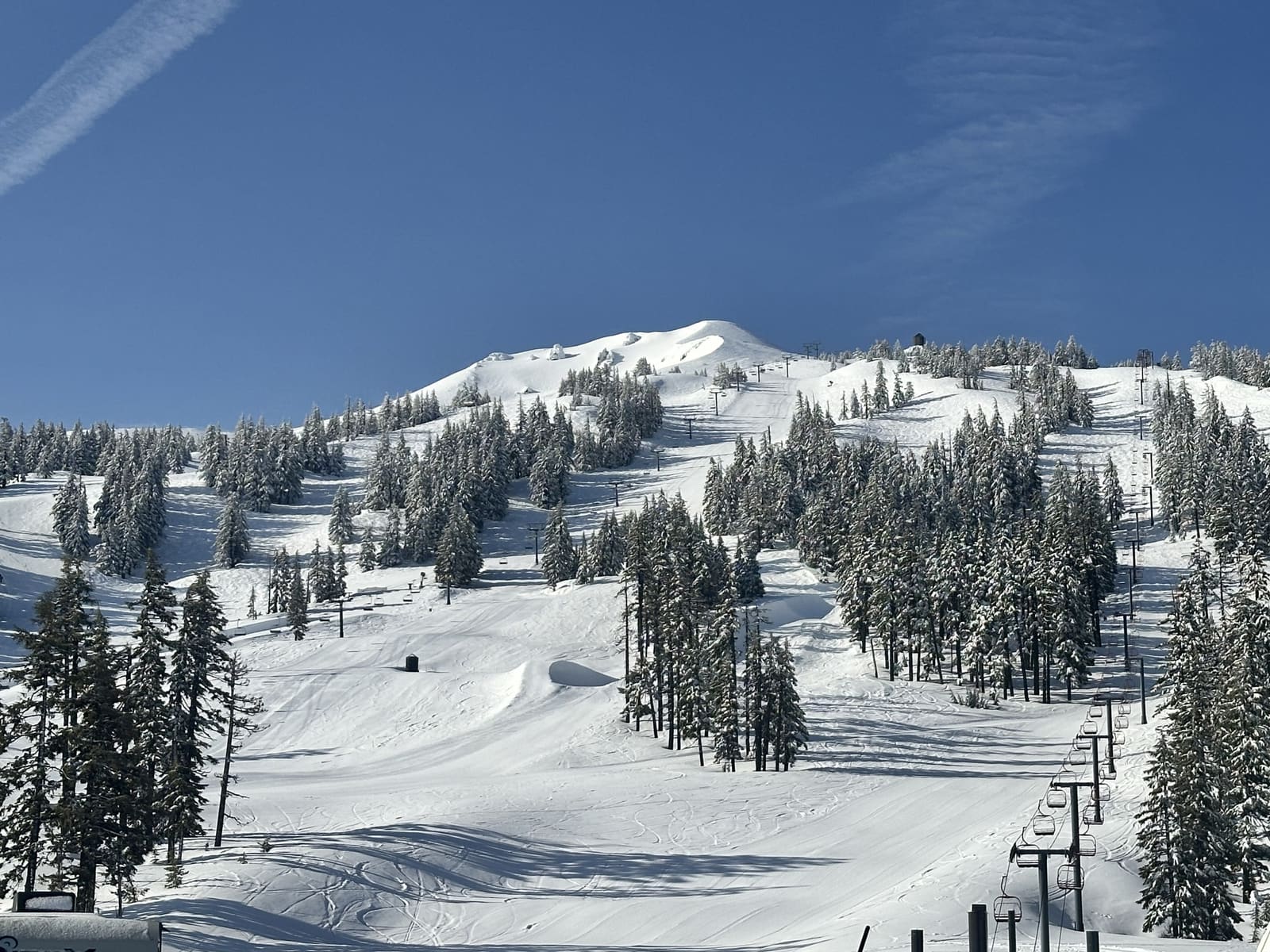
Denver sits one mile up, 5,280 feet by the marker on the capitol steps. Bend sits at roughly 3,600 feet, more than a thousand feet lower, and that gap shows up in ways people do not expect until they have already unpacked the moving truck. Thinner air at altitude, quicker sunburns, harder workouts, all of it eases up a little once you are living at Bend’s elevation instead of Denver’s. It is a small detail on paper and a real one in daily life. I am a real estate agent in Bend, Oregon helping relocation buyers moving to Bend and local move-up sellers and buyers, and I have lived in Colorado myself, so I know which parts of Front Range life carry over here and which ones do not. Here is the honest picture for anyone considering the move from Denver specifically.
Why Denver Residents End Up in Bend
The reason I hear most often is traffic and growth. Denver has spent the better part of two decades turning into a genuinely large metro, and a lot of the people who loved it when it still felt like a big small town tell me it does not feel that way anymore. I-25 and I-70 through the metro area carry real congestion now. Bend is a city you can still cross in fifteen or twenty minutes most afternoons, and for people who have spent years budgeting extra time just to get across town, that alone changes the shape of a week.
The second reason is access to the mountains without the I-70 fight. Denver’s ski access is real, Summit County and the resorts along I-70 are genuinely close on a map, but anyone who has tried to drive up on a Saturday morning in January knows that “close on a map” and “close in practice” are two different things. Bend puts Mt. Bachelor about a half hour from most neighborhoods, without a mountain pass or a chokepoint interstate standing between you and the lift line. A lot of my Denver clients describe wanting the outdoor lifestyle they already have, just without spending a chunk of every ski day sitting in a line of brake lights.
The third reason is scale of daily life more broadly. Denver has the mountains, a strong brewery and food scene, and a genuinely deep job market. Bend has a smaller, quieter version of a lot of that, built around the Deschutes River and hundreds of miles of trail that sit at the edge of nearly every neighborhood rather than a drive away. For someone whose Denver routine already revolved around trails, rivers, and a bike more than a car, the transition to Bend tends to be the easiest kind of adjustment there is.
What Denver Transplants Are Sometimes Surprised By
A few things catch Denver buyers off guard, and I would rather tell you now than let you find out the hard way after you have already moved.
Bend is genuinely small, smaller than people expect even after they have read about it. If you are coming from a metro the size of Denver, the shift is real: fewer restaurants, a much smaller airport with far fewer direct flights than DIA offers, and a slower pace to everything from a building permit to finding a specialist doctor. For some people that is the entire point of the move. For others it takes real adjustment, and I would rather have that conversation before you sign anything than after.
Denver’s climate and Bend’s climate share a family resemblance, dry and sunny with real temperature swings, but they are not the same climate. Denver sits out on the plains at the base of the Front Range and gets more wind and more sudden weather changes, the kind where a warm afternoon turns into snow by dinner. Bend’s high desert climate is generally more stable day to day, though it gets plenty cold and plenty snowy in its own right. Neither one is a lighter version of the other, they are just different.
Wildfire smoke shows up in both places, and I tell every relocation buyer this up front. Late summer in Central Oregon, like late summer across much of the West, can bring smoky stretches. Moving away from Colorado’s fire seasons does not mean moving away from the issue entirely.
The job market is the harder conversation. Denver has built a genuinely deep bench of employers across aerospace, tech, healthcare, and energy, plus a strong base of corporate headquarters. Bend’s economy leans much more on remote work, small business, healthcare, tourism, and outdoor recreation. If your income is tied to being physically present at a Denver-based employer, that is worth mapping out carefully before you commit to a move. Most of my Colorado clients are already remote or have negotiated a remote arrangement specifically to make a move like this work, and getting that settled first saves a lot of stress later. I go deeper on this in Is Bend, Oregon a Good Place to Live If You Work Remotely?
The Financial Picture
Colorado charges sales tax on most purchases, both a state rate and additional local rates depending on where you are in the metro. Oregon has no sales tax at all, and most Denver transplants notice that within the first week of grocery shopping or buying anything retail. Oregon does have a state income tax, and Colorado does too, so it is worth running your own numbers with a tax professional rather than assuming the sales tax difference automatically nets out in your favor. Every household’s math depends on income, spending habits, and how much of your net worth is tied up in the Denver-area home you would be selling to fund the move.
Housing is the bigger variable, and it depends entirely on where in the Denver metro you are coming from and what you are selling. I do not have current Denver market data to hand you a direct price comparison, and I would rather be honest about that than guess. What I can tell you clearly is what your budget buys once you are in Bend, because that is data I track every day.
What Your Budget Actually Buys in Bend
This is the part I am the most direct about, because it is where relocation buyers get surprised no matter which metro they are leaving. In the $600K to $750K range, you are generally shopping NE Bend, including Boyd Acres, Mountain View, and the Orchard District, or SE Bend, including Larkspur, Old Farm District, and Stone Creek. That range typically buys a newer or well-maintained single-family home with a real yard, without asking you to compromise on move-in readiness. My listing at 20767 NE Angora Ct is a real example of what this range looks like in practice. I listed it at $699,900, it drew five offers in five days, and it closed at $750,000 in 30 days. Homes priced right in this band do not sit long.
Move up into the $750K to $900K range and the picture splits depending on which side of town you are on. In SW Bend, near Broken Top, Old Mill District, or Tetherow, that budget starts to open up mountain views. In NW Bend, that same money more often lands you in an older home that still needs updating rather than a view, since true unobstructed mountain view homes in NW Bend generally start north of $1M. I lay out the full math on that line in what $700K actually buys you in Bend and in what $750K to $900K buys you in Bend. If mountain views are the priority and NW Bend is the target, I would rather set that expectation now than let you fall for a listing photo before you know the real number.
Neighborhoods Denver Buyers Tend to Love
Denver buyers who are used to Front Range views and a trail system close to home often gravitate toward NW Bend first, particularly NorthWest Crossing and Discovery West, both built around a walkable town center with coffee shops, a farmers market, and trailheads nearby. That layout tends to feel familiar to anyone coming from a Denver suburb built around a similar walk-to-things idea.
Buyers who want a resort feel and golf, closer to what parts of the Front Range foothills offer, often look toward SW Bend, at Broken Top or Tetherow, which carry some of that same polished, planned-community energy.
And buyers who care more about square footage, a real yard for dogs or kids, and a straightforward move-in ready home than about proximity to a town center usually do better in NE or SE Bend, where the same budget goes noticeably further. None of these is the objectively right answer. It depends on what you actually want your daily life to look like, which is exactly what I dig into with every relocation client before I show a single house.
How to Buy in Bend from Denver
Buying long distance is more common than people expect, and it works well when it is done right. I start every relocation client with a discovery call, not a listing link, because the goal is understanding how you actually want to live before neighborhoods or price points come up. From there I build a property portal around that conversation, and when you are ready to see homes in person, I plan an intentional trip, touring 5 to 8 homes with printed packets rather than a scattered list of 20 showings crammed into a weekend.
Get pre-approved with a lender who understands the Bend market before you start seriously looking. Inventory that fits your budget and your target neighborhood does not sit around waiting here. If you have not settled on a season yet, I break down the tradeoffs in what’s the best time of year to move to Bend, since timing your search around Bend’s calendar, not Denver’s, tends to work better for relocation buyers.
Common Mistakes Denver Buyers Make
Assuming Bend’s real estate market moves at Denver metro scale. It does not. Bend is smaller, inventory in any given price band and neighborhood is thinner, and a well-priced home can go under contract in days.
Comparing Bend’s climate to Denver’s and assuming they behave the same way. Both are dry with real temperature swings, but Denver’s weather changes faster and more dramatically because of its position against the Front Range. I would rather you spend a week in Bend across a season change than assume you already know what to expect.
Underestimating how much smaller Bend’s job market is outside remote work, healthcare, tourism, and small business. If your income depends on an industry with a deep Denver bench but a thin Bend one, plan that part of the move carefully before you commit to a closing date.
Falling in love with NW Bend before confirming the number. A mountain view and a fully updated home in NW Bend generally means a budget north of $1M. Below that, you are usually choosing between the location and the finish level, not getting both.
How I Help Denver Buyers Land in Bend
I am Oregon born and raised, though I have also lived in Southern California, Colorado, and the Bay Area myself, and I have been a licensed Oregon real estate broker since 2007. I have helped relocation buyers land in Bend from more than ten different metro areas, which means this exact Denver-to-Bend conversation is one I have had many times before. If you are earlier in your planning, my relocation guide is a good next stop, and my guide to Bend’s best neighborhoods is worth a read before you commit to one part of town.
When a Denver buyer reaches out, I start with what your day-to-day life actually looks like now and what you want it to look like here, not a list of must-haves for the house itself. Then I walk you honestly through budget, quadrant, and timeline, so you walk into your first showing already knowing what is realistic instead of finding out the hard way.
Frequently Asked Questions
Is Bend, Oregon similar to living in Denver? In some ways, yes. Both places share a dry climate, real seasons, and an outdoor-first culture built around mountains and trails. The biggest difference is scale. Bend is a much smaller city than Denver, with fewer restaurants, a smaller airport, and a slower overall pace.
Is Bend’s elevation a big adjustment from Denver? Bend sits about 3,600 feet, more than a thousand feet lower than Denver’s mile-high elevation. Most people notice the difference as a mild improvement, easier workouts and less sunburn, rather than a hard adjustment.
Does Oregon have a sales tax like Colorado? No. Oregon has no sales tax at all, which most Denver transplants notice quickly. Oregon does have a state income tax, and so does Colorado, so I would recommend running your specific numbers with a tax professional before assuming how the move affects your overall finances.
What does $700K buy in Bend, Oregon? In the $600K to $750K range, you are typically shopping NE or SE Bend, which usually gets you a newer or well-maintained single-family home with a real yard. My listing at 20767 NE Angora Ct, listed at $699,900 and closed at $750,000 after five offers in five days, is a real example of what that range looks like in practice.
Can I buy a home in Bend without visiting from Denver first? It is possible, and I have helped relocation clients do exactly that, but I generally recommend at least one in-person trip before you close, especially to experience a Bend season firsthand if you have not before. Virtual tours can narrow the list, but they should not replace seeing the town in person.
Which Bend neighborhoods do Denver buyers usually like best? It depends on what you are after. NW Bend, especially NorthWest Crossing and Discovery West, tends to appeal to buyers who want a walkable, trail-close feel similar to a Denver suburb built the same way. SW Bend, near Broken Top or Tetherow, appeals to buyers who want a resort feel. NE and SE Bend tend to fit buyers who prioritize space and value over proximity to a town center.
Is Bend more affordable than Denver? It depends entirely on where in the Denver metro you are coming from, and I do not have current Denver pricing data to give you an apples-to-apples comparison. What I can tell you clearly is what your specific budget buys here in Bend, which is where I would start the conversation.
If you are weighing a move from Denver to Bend, let’s talk honestly about what your budget gets you here and which part of town actually fits how you want to live. Call or text me at 541-610-5144, email [email protected], or find me at gobendhomes.com.
Kelly Johnson | Go Bend Homes | Bend, Oregon Realtor since 2007 | Live Where You Love