
Is Bend, Oregon a Good Place to Live If You Work Remotely?
Thinking about relocating to Bend, Oregon as a remote worker? Kelly Johnson, a Bend realtor since 2007, breaks down the honest tradeoffs, price tiers, and neighborhoods to know.
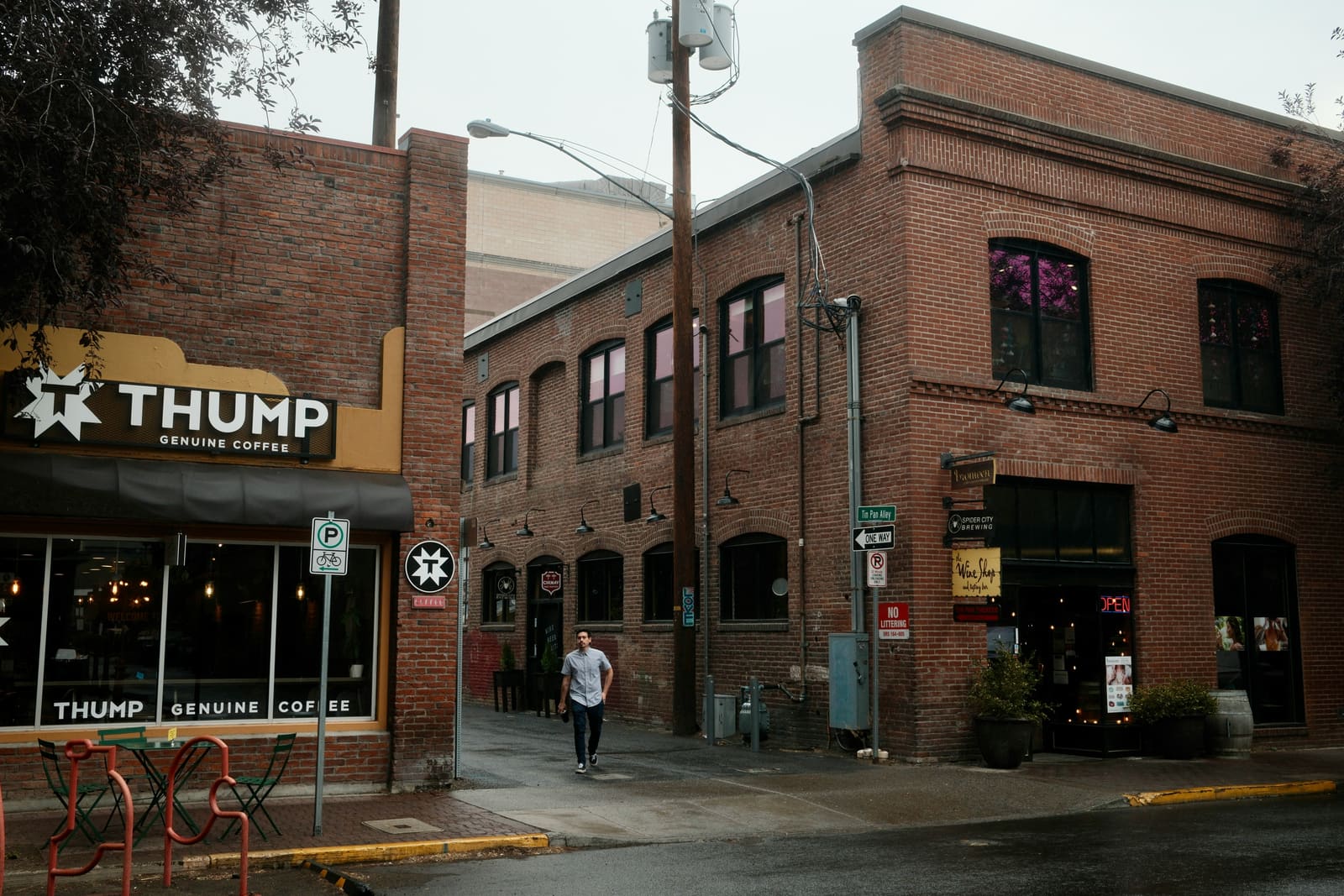
Remote work did not create Bend’s appeal. It just gave more people permission to act on it. For years, people who loved this place had to leave it to build a career, or spend their whole working life waiting for a two week vacation to come back. Now a good number of my clients open their laptop in Bend on Monday morning the same as they would anywhere else, and that has changed who moves here and why.
Here is my honest answer. Bend works well for remote workers who value an active outdoor life and a genuinely walkable town over big city amenities and a short flight to everywhere. It is a harder fit for people who need to be near a major hub airport, who thrive on dense professional networking in person, or who are hoping remote work will make Bend cheap. It will not. Let me walk through what I actually see with clients making this move.
Why Remote Work Fits Bend So Well
Bend sits on the high desert at around 3,600 feet, which gives it a dry climate with real seasons instead of the gray drizzle a lot of people picture when they think of Oregon. That matters more than people expect when you are staring out a home office window all day. A sunny high desert winter feels different than a rainy one.
The town itself is built at a scale that works for a remote schedule. Downtown Bend, the Old Mill District, and the Galveston and Newport corridors all have a genuine walkable center with coffee shops, breakfast spots, and small offices where people go to work outside their house for a change of scenery. That is not something every mountain town has. A lot of small resort towns are built around tourists, not around people who live and work there year round. Bend has both, and the year round working population is large enough that you are not the only laptop in the coffee shop at 10am on a Tuesday.
Then there is the actual lifestyle math. Mt. Bachelor is about 25 minutes from town for skiing. The Deschutes River runs through the middle of the city for floating, fishing, and paddleboarding. There are hundreds of miles of trails that start close to where people actually live. For someone who used to spend their commute time sitting in traffic, getting that hour or two back and putting it into an actual life outdoors is the single biggest quality of life change I hear about from remote clients after they move.
I’m Oregon born and raised, though I also lived in Southern California, Colorado, and the Bay Area before coming home. I understand both sides of this decision, the professional world people are leaving and the life they are hoping to build here, because I have lived versions of both.
The Honest Tradeoffs
I will not sell you on Bend without telling you the real downsides, because you will find them anyway once you move here, and I would rather you hear them from me first.
Bend is not a low cost of living move. Home prices here reflect years of steady demand, much of it from exactly the kind of remote buyer you might be. A budget of $600,000 to $750,000 typically buys a home in NE or SE Bend. Push into the $750,000 to $900,000 range and you can get mountain views in SW Bend, though a lot of what is available there at that price needs updating. If you want a true mountain view home in NW Bend, in areas like NorthWest Crossing or Awbrey Butte, plan on $1 million or more. Remote work lets you live here. It does not make it cheap to.
Bend is also not close to much. Redmond Municipal Airport, about 20 minutes away, has direct flights to a handful of West Coast cities, which covers a lot of ground but is not the same as a major international hub. If your job or your family requires frequent cross country or international travel, that drive plus a connection through a bigger airport becomes part of your regular routine. It is worth testing that travel pattern before you commit, not after.
And Bend is small enough that the in person professional density of a larger city just is not here in the same way. There is a real and growing community of remote workers, founders, and small business owners, but if your career depends on dense in person networking in a specific industry, you need to be honest with yourself about how much of that you can replace with travel and video calls versus how much you actually need to be in a bigger market for.
Internet, Home Offices, and the Practical Stuff
I am not going to hand you specific internet speed numbers for a given street, because that varies house to house and it is exactly the kind of thing you should verify directly with providers before you write an offer, not take on faith from a blog post. What I will tell you from experience is this: it is worth asking about internet options for any specific property before you fall in love with it, especially if you are further from the center of town or considering something more rural. A beautiful lot on the edge of town can come with real limitations that a home in a established neighborhood usually does not.
On the home office side, a lot of the newer construction in NW Bend, particularly in Discovery West and NorthWest Crossing, was built during a stretch when remote work was already common, so you will find more homes with a genuine flex room or dedicated office already built in. Older homes, especially in some of the more established NE and SE Bend neighborhoods, sometimes require converting a bedroom or a bonus space instead. Neither is wrong. It just changes what you are looking for on a showing, and it is worth walking through any home you are considering while imagining an actual work day in it, not just a weekend visit.
Which Neighborhoods Fit Remote Workers Best
Bend splits into four quadrants, and each one has a different rhythm that matters more than usual when your home is also your office.
NW Bend includes NorthWest Crossing, Discovery West, Awbrey Butte, and West Hills. This is where I live and where I specialize. It is the most walkable quadrant, with coffee shops and casual work spots close to a lot of homes, which is a real draw for remote workers who want to step outside for a change of scenery without getting in the car. It is also the most expensive quadrant.
SW Bend includes the Old Mill District, Broken Top, and Tetherow. This area has golf communities and easy access to the river and Old Mill shopping and dining, and a mix of quieter, more spread out properties that suit someone who wants privacy during work hours.
NE Bend includes Boyd Acres, Mountain View, and the Orchard District. This tends to be more affordable and practical, with easier day to day errands, which matters when you are not commuting anywhere and want your non-work hours to be simple.
SE Bend includes Larkspur, Old Farm District, and Stone Creek. This is often a strong value area with newer construction in some pockets, which tends to mean more homes already built with a dedicated office or flex space in mind.
I do not have one quadrant I push every remote worker toward. Someone who wants to walk to a coffee shop between meetings has different needs than someone who wants total quiet and a closed door during business hours. That is a real conversation worth having before you start touring.
A Real Example From My Own Business
I recently listed a home at 20767 NE Angora Ct for $699,900. It received 5 offers within 5 days and closed at $750,000 in 30 days. That home was not marketed specifically to remote workers, but it is a useful example of what is actually happening in this market right now. Well priced homes in the right condition move fast in Bend, remote work demand included. If you are relocating on a remote work timeline and hoping to take your time deciding, understand that the right house at the right price will not always wait for you to decide.
Common Mistakes I See Remote Workers Make
The biggest mistake is buying based on a single vacation visit. Bend in July is close to perfect, warm days, long light, everything photographs well. Bend in January is a genuinely different place, and if you are going to be working from home here every day of the year, you need to know what a typical Tuesday in February actually feels like, not just what a July weekend felt like.
The second mistake is underestimating how isolating remote work can feel in a new city if you do not build in structure. Bend has an active community of remote workers and small business owners, running clubs, coworking spaces, volunteer groups, but none of that finds you automatically. The remote workers who are happiest a year in are usually the ones who joined something specific within their first few months instead of assuming the lifestyle alone would fill that gap.
The third mistake is treating internet and cell coverage as a given instead of a line item to verify. It rarely comes up until move in day, and by then it is too late to renegotiate. Ask early, and ask about the specific property, not just the general area.
What I’d Tell a Friend Considering This Move
Visit in more than one season if you possibly can, and be honest with yourself about the winter, not just the summer. Run your full numbers, home price, property tax, any HOA dues, against your actual income, not against what Bend used to cost five years ago. Verify internet and connectivity for the specific property before you write an offer. And think through which quadrant actually matches your working style, walkable and social or quiet and private, before you start touring homes.
Bend rewards remote workers who come here for the actual daily life, the trails, the river, the mountains, a real town center instead of a resort backdrop. It is not the cheapest place to make this move, and it is not the right fit if you need to be near a major hub airport or a dense in person professional scene. For the right person, though, it is one of the best places in the country to close your laptop and actually be somewhere.
Frequently Asked Questions
Is Bend, Oregon good for remote workers? Yes, for people who value an active outdoor lifestyle and a walkable town over big city amenities. It is a harder fit if you need frequent access to a major hub airport or dense in person professional networking.
How much does it cost to live in Bend, Oregon as a remote worker? Home prices generally run from the $600,000s in NE and SE Bend up past $1 million for mountain view homes in NW Bend. Remote work makes the move possible for more people, but it does not make Bend a low cost market.
What is the best neighborhood in Bend for remote workers? It depends on your working style. NW Bend offers walkability and coffee shops close by. SW Bend offers more space and privacy near Old Mill and the river. NE and SE Bend tend to offer more value and simpler day to day errands.
Is there a major airport near Bend? Redmond Municipal Airport is about 20 minutes from Bend and has direct flights to several West Coast cities. It is not a major hub, so frequent cross country or international travel usually involves a connection.
Do Bend homes have good home offices? Newer construction, especially in NW Bend neighborhoods like Discovery West and NorthWest Crossing, more often includes a dedicated flex room or office. In older homes, a spare bedroom is often converted instead.
If you are considering a move to Bend to work remotely and want an honest read on what your budget actually gets you and which neighborhood fits how you work, I would be glad to talk it through. I’m Kelly Johnson, a real estate agent in Bend, Oregon helping relocation buyers moving to Bend and local move-up sellers and buyers. Reach me at 541-610-5144 or [email protected], or find more at gobendhomes.com.