
Should I Use a Bridge Loan to Buy My Next Home in Bend, Oregon?
Thinking about a bridge loan to buy your next Bend home before your current one sells? Kelly Johnson breaks down how bridge financing actually works, when it helps move-up buyers, and when it doesn't.
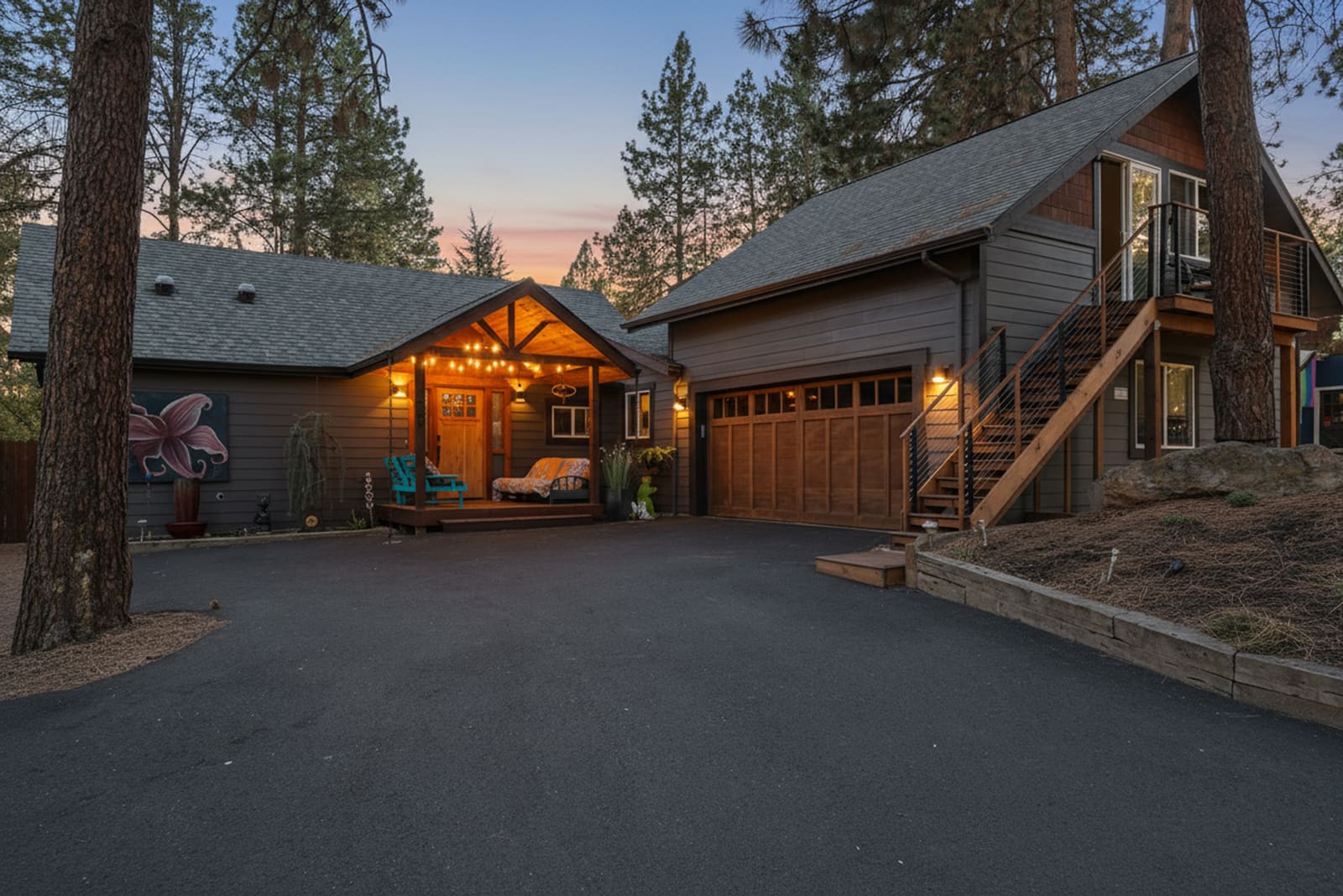
Most move-up buyers think they only have two options in Bend: sell your current home first, or buy your next one first and carry two mortgages while you wait. There’s a third path, and it doesn’t get talked about enough. A bridge loan lets you tap the equity sitting in your current home to fund the purchase of your next one, before your current home ever hits the market. It’s not the right tool for everyone, and it’s not free money, but for the right move-up buyer in Bend it can be the difference between losing the house you want and getting it.
I am a real estate agent in Bend, Oregon helping relocation buyers moving to Bend and local move-up sellers and buyers, and bridge financing questions come up almost every time a move-up buyer finds a home they love before their own is listed. Here is the honest breakdown of how it works, when it makes sense here, and when I steer clients toward something else instead.
What a Bridge Loan Actually Is
A bridge loan is short-term financing secured against the equity in your current home. It “bridges” the gap between buying your next house and closing on the sale of the one you’re in. Instead of waiting for your current home to sell before you have cash for a down payment on the next one, a bridge loan gives you access to that equity now, so you can buy first and sell on a normal timeline afterward.
The tradeoffs are real. Bridge loans typically come with higher interest rates and fees than a standard mortgage, and they’re structured as short-term debt, meant to be paid off quickly once your current home sells. Lenders will look closely at how much equity you actually have, your income, and your ability to carry payments on both properties for a period of time if the sale takes longer than planned. This isn’t a product every lender offers the same way, and terms vary. If you’re seriously considering one, talk to a mortgage lender directly about the specific numbers for your situation. I’m not a lender and I won’t quote you rates I can’t verify, but I can tell you when this tool tends to earn its cost and when it doesn’t.
When a Bridge Loan Makes Sense in Bend
Bend’s market moves fast enough that timing matters more than people expect. My own listing at 20767 NE Angora Ct went under contract with five offers in five days and closed at $750,000 in 30 days, up from a $699,900 list price. That’s not unusual for a well-priced home in a strong pocket of town. If you’re a seller in that kind of position, you likely don’t need a bridge loan. You need a buyer’s plan, and I’ll get to that.
The bridge loan conversation gets real for buyers who find the right house in a competitive quadrant before their own home is ready to list. Say a family already owns a home in NE Bend, in the Boyd Acres or Orchard District price range, roughly $600K to $750K, and they’ve found a home in NW Bend’s Discovery West that just came up. Homes in that $750K to $900K range move quickly when they’re priced right, and a seller comparing a clean, financed offer against one with a home-sale contingency is going to favor the clean offer almost every time. A bridge loan lets that family make a strong, non-contingent offer on the Discovery West home while their current NE Bend home is still being prepped for its own listing.
The same logic applies at higher price points. A buyer eyeing true NW Bend mountain views, which generally start at $1M and up, is competing for a smaller pool of homes with fewer comparable options. Waiting for your current home to sell before you can even write an offer means watching those homes go to buyers who didn’t have to wait.
When It Doesn’t
I’ve talked plenty of clients out of a bridge loan too. If your current home isn’t likely to sell quickly, whether because of condition, price, or a slower pocket of the market, carrying two mortgages even briefly can get expensive fast, and the interest cost on the bridge loan stacks on top of that. If your equity position is thin, meaning you don’t have much cushion between what you owe and what your home is worth, a bridge loan may not free up enough cash to make a real difference anyway.
The other mistake I see is buyers who reach for a bridge loan out of impatience rather than necessity. If you have time, if the home you want isn’t the only one that will come up in that neighborhood this year, a contingent offer or simply selling first is usually the cheaper, lower-stress path. I wrote a full breakdown of how contingent offers work in Bend’s market in can I make a contingent offer when buying a home in Bend, Oregon, and it’s worth reading before you assume a bridge loan is your only way to compete.
The Alternatives Worth Considering First
A home equity line of credit (HELOC). If you have significant equity and enough time before you need to close, a HELOC can sometimes serve a similar purpose to a bridge loan at a lower cost, though it depends on your lender, your equity, and your timeline. Ask a lender to run both scenarios side by side.
Selling first. In a market where well-priced homes in NE and SE Bend are moving in days, not months, selling first and renting short-term or staying with family for a stretch isn’t the inconvenience it sounds like. It removes financing risk entirely and often puts you in a stronger negotiating position on your next purchase, because you’re not carrying any contingency at all.
A contingent offer. Not every seller will accept one, and in a multiple-offer situation it’s rarely competitive, but in a slower-moving listing or a private sale, it can work without the cost of bridge financing. I go through when sellers accept these and when they won’t in that contingent offer article linked above.
Timing the listing and the purchase together. This is the option most people don’t think of first, and it’s the one I spend the most time on with move-up clients. If I price your current home right and get it active at the same time you’re touring your next one, you can often close both within weeks of each other without needing bridge financing at all. I wrote more about how to think through that sequencing in should I sell my house before I buy my next one.
How This Actually Plays Out
The move-up buyers who come to me considering a bridge loan usually fall into one of two groups. The first group has found a specific home they don’t want to lose, in a neighborhood where inventory is genuinely tight, and they need to move fast. For them, once I run the numbers with them alongside a lender and the equity and cash flow pencil out, a bridge loan can be the right call. It lets them write a clean offer, close on their terms, and then sell their current home without the pressure of a double closing deadline hanging over the negotiation.
The second group hasn’t found a specific home yet. They’re asking about bridge loans because they’re worried about missing out in a market that feels competitive from the outside. For that group, I usually recommend slowing down, getting their current home appraisal-ready, and talking through a listing and search timeline together first. Most of the time, once we map out realistic timing, the pressure that made a bridge loan feel necessary eases on its own.
If you’re weighing whether now is even the right time to move up at all, before you get into financing specifics, I go through that decision in how do I know it’s time to move up to a bigger house in Bend, Oregon and is now a good time to move up to a bigger house in Bend, Oregon.
Common Mistakes I See
Not talking to a lender early enough. Bridge loan approval depends heavily on your specific equity and income picture. Get pre-qualified for the bridge financing before you start touring homes seriously, not after you’ve already fallen for one.
Underestimating how long the current home might take to sell. Even in a strong market, condition, price, and location all affect timeline. A home that needs work in Awbrey Butte or an older property in West Hills may take longer to prep and sell than a move-in ready home in NorthWest Crossing.
Ignoring the carrying cost. Even a short bridge period comes with real interest cost. Run the math on what a two, three, or four month bridge actually costs you before deciding it’s worth avoiding a contingency.
Assuming every lender offers the same terms. Bridge loan products vary widely between lenders. Shop this the way you’d shop your primary mortgage.
Frequently Asked Questions
Is a bridge loan the same as a home equity loan? No. A bridge loan is a short-term loan specifically structured to be paid off once your current home sells, while a home equity loan or HELOC is typically a longer-term product. Both can tap your existing equity, but the structure and intended timeline are different. Talk to a lender about which fits your situation.
How much equity do I need for a bridge loan? This depends on the lender, but bridge loans generally require substantial equity in your current home since that equity is what secures the loan. A lender can tell you exactly where you stand once they see your numbers.
What happens if my current home doesn’t sell in time? This is the real risk of a bridge loan, and it’s why the timeline and pricing strategy on your current home matter as much as the financing itself. I always recommend having a realistic pricing conversation before committing to a bridge loan, not after.
Can I use a bridge loan and still make a contingent offer? Generally no. The point of a bridge loan is to let you make a clean, non-contingent offer. If you’re using bridge financing, your offer on the new home typically shouldn’t be contingent on your current home’s sale.
Does Bend’s market move fast enough to justify this? It depends entirely on the price point and neighborhood. Homes priced right in NE and SE Bend, generally the $600K to $750K range, can move in days. Homes in the $750K to $900K range in SW Bend, especially anything with a mountain view, also draw strong competition. Slower-moving price points and neighborhoods may not require this kind of urgency.
Should I talk to my realtor or my lender first? Both, ideally at the same time. Your lender can tell you what you qualify for. I can tell you what your current home is actually worth, how fast it’s likely to sell, and whether the home you want is worth the cost of bridge financing versus waiting or making a contingent offer.
Let’s Talk Through Your Timeline
If you’re a move-up buyer in Bend weighing a bridge loan against a contingent offer or simply selling first, I’d rather walk through your specific numbers with you than have you guess. I’ll tell you honestly what your current home is likely to sell for and how fast, and help you decide whether bridge financing is worth the cost in your case. Call or text me at 541-610-5144, email [email protected], or reach out through gobendhomes.com.