
What's It Like to Retire in Bend, Oregon?
Thinking about retiring in Bend, Oregon? Kelly Johnson, a Bend realtor since 2007, walks through the real lifestyle, costs, and neighborhoods to know.
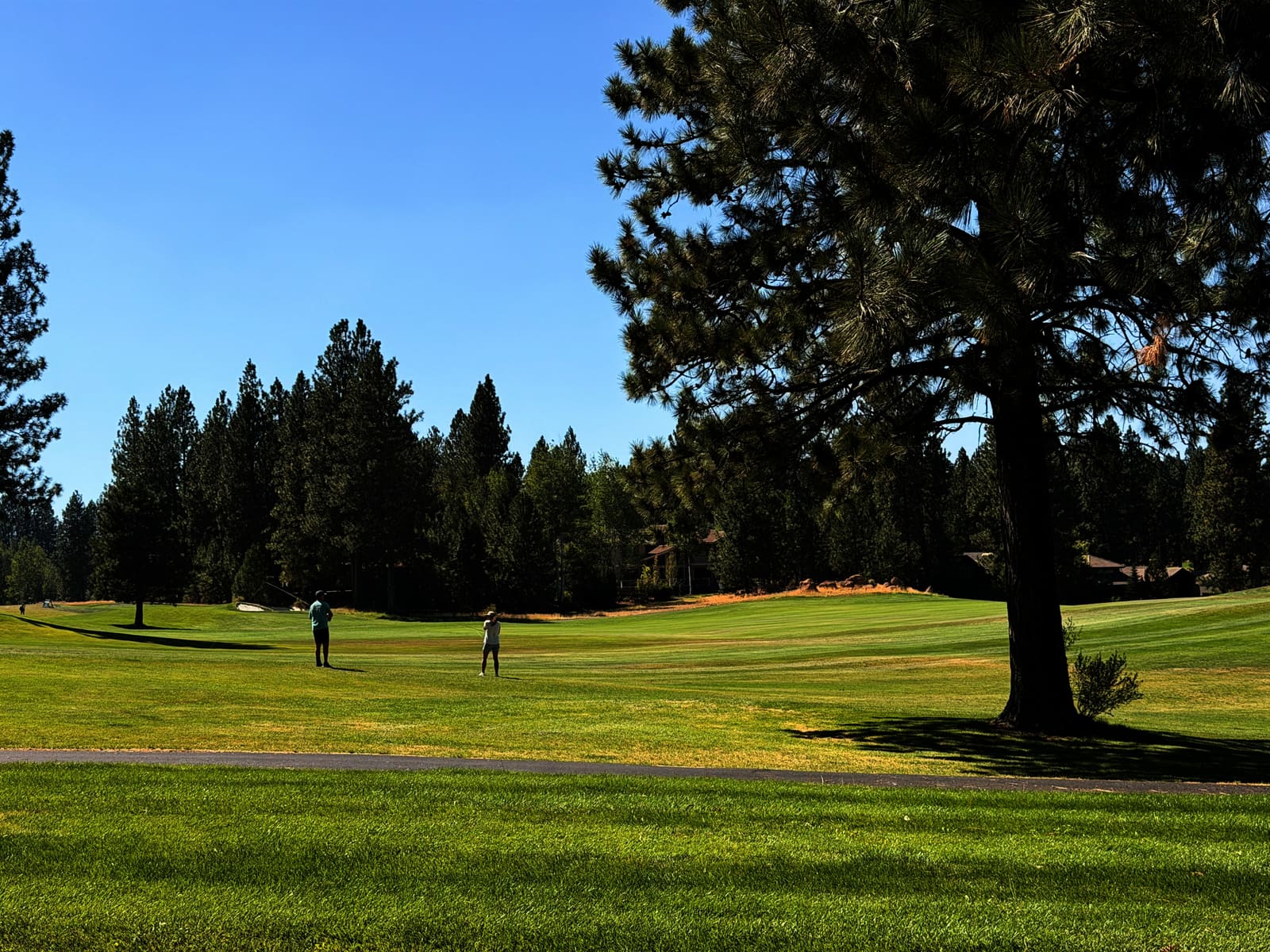
What’s it like to retire in Bend, Oregon? In my experience helping people relocate here since 2007, retiring in Bend means trading a longer commute and a busier calendar for mountains, rivers, and a slower morning, but it also means planning around real winters and a housing market that isn’t cheap. I’ve watched a lot of retirees make this move well, and a few make it before they were ready. Here’s what I’ve learned from being on the ground for it.
Why Retirees Choose Bend
The people I work with who are retiring to Bend are usually not looking for a rocking chair on a porch. They want to hike, bike, fish, golf, and ski, and they want to do it somewhere that still has a real downtown, good restaurants, and a hospital they trust. Bend checks those boxes in a way that a lot of small mountain towns don’t.
Mt. Bachelor is about a 25-minute drive from town for skiing and snowboarding. The Deschutes River runs right through the city for fishing, floating, and paddleboarding. There are hundreds of miles of trails for hiking and mountain biking that start practically in people’s backyards. And because Bend has grown steadily for years, it has real infrastructure now: St. Charles Medical Center, a growing arts and restaurant scene, and an airport with direct flights to several West Coast cities, which matters a lot to retirees who still want to see grandkids or fly south in the winter.
I’m Oregon born and raised myself, though I also lived in Southern California, Colorado, and the Bay Area before coming home. I understand the pull of a place that offers an active outdoor life without giving up the comforts people are used to. That combination is exactly what draws most retirees here.
The Honest Cost Conversation
I’ll be straight with you, because that’s how I operate. Bend is not a cheap place to retire. Home prices here have risen substantially over the past decade, and while the market has leveled out some, this is not a market where retirees stretch their nest egg the way they might in a lower cost-of-living state.
Right now, a budget in the $600,000 to $750,000 range typically buys a home in NE or SE Bend. Push into the $750,000 to $900,000 range and you can get into SW Bend with mountain views, though a lot of what’s available there at that price is older and needs some updating. If you want true mountain views in NW Bend, in areas like NorthWest Crossing or Awbrey Butte, budget $1 million or more.
Oregon also does not charge sales tax, which surprises a lot of people moving from states like California or Washington, but Oregon does have state income tax, and property taxes here are not low either. I always tell retirees to run their full numbers, including property tax and any homeowners association dues if they’re looking at a planned community, before they fall in love with a specific house.
Winters Are Real, and That’s Worth Saying Out Loud
Bend sits on the high desert at around 3,600 feet of elevation, and winters here are genuinely cold with real snow, not the mild coastal Oregon weather people sometimes picture. Some retirees love this. They ski, they enjoy a proper change of seasons, and they like that winter here doesn’t drag on for six months the way it does in parts of the Midwest or Northeast.
Other retirees find it’s more winter than they bargained for, especially if they’re coming from Southern California, Arizona, or Florida. Driveways need to be shoveled or plowed. Some neighborhoods sit higher and get hit harder by snow than others. I’ve had clients who assumed a cute street in the summer photos would be just as easy to access in January, and it wasn’t. If winter driving or snow removal is a concern, that’s a conversation worth having with a local agent before you buy, not after your first February here.
Which Neighborhoods Fit Retirees Best
Bend is generally split into four quadrants, and each has a different personality worth knowing about.
NW Bend includes NorthWest Crossing, Discovery West, Awbrey Butte, and West Hills. This is where I live and where I specialize. It’s walkable, close to trails, and has a village feel with coffee shops and restaurants within walking distance of a lot of homes. It’s also the most expensive quadrant, particularly for anything with a real mountain view.
SW Bend includes the Old Mill District, Broken Top, and Tetherow. This area has golf communities and easy access to the river and Old Mill shopping and dining. Some retirees are drawn to the golf course lifestyle here specifically.
NE Bend includes Boyd Acres, Mountain View, and the Orchard District. This tends to be more affordable and practical, with easier access for day-to-day errands, without being far from the rest of the city.
SE Bend includes Larkspur, Old Farm District, and Stone Creek. This is often a strong value area, with newer construction in some pockets and a bit more space for the money.
I don’t have a single neighborhood I push every retiree toward, because it really depends on what kind of daily life they want. Someone who wants to walk to a coffee shop every morning has different needs than someone who wants a single-level home with easy garage access and doesn’t care about walkability.
A Real Example From My Own Business
I recently listed a home at 20767 NE Angora Ct for $699,900. It received 5 offers within 5 days and closed at $750,000 in 30 days. That home wasn’t marketed specifically to retirees, but it illustrates something important: well-priced homes in the right condition move fast here, even now. If you’re a retiree planning to sell a home elsewhere and buy in Bend, you need to understand that the Bend market can move quickly on the right listing, and you should be prepared to act when you find the right fit rather than assuming you’ll have months to decide.
Common Mistakes I See Retirees Make
The biggest mistake is buying based on a summer visit alone. Bend in July is close to perfect, warm days, wildflowers, long light. Bend in January is a different place. I always encourage retirees to visit in the off season if they possibly can, or at minimum to talk honestly with a local agent about what a specific street or neighborhood is like in winter.
The second mistake is underestimating how much house they actually want to maintain. Some retirees buy a bigger place than they need because it feels like “the retirement home,” then find themselves managing more yard and more square footage than they actually enjoy. I always ask retirees directly: do you want a project, or do you want your time back? Those are two very different searches.
The third mistake is not connecting with the community before or right after the move. Bend has an active senior and outdoor recreation community, senior centers, hiking clubs, pickleball groups, volunteer organizations, but it takes some initiative to find your people here. The retirees who are happiest a year in are usually the ones who joined something within their first few months.
What I’d Tell a Friend Who’s Retiring to Bend
Come visit more than once, and if you can, in more than one season. Get honest about your real budget, including taxes and any HOA costs, not just the number on the listing. Think hard about single-level living if stairs might become an issue down the road. And work with someone local who will tell you the truth about a neighborhood in winter, not just show you the summer photos.
Bend rewards people who come here for the actual lifestyle, the trails, the river, the mountains, the smaller-town feel with real amenities. It’s not the cheapest place to retire, and it’s not for someone who wants zero winter. But for the right person, it’s one of the best places in the country to spend this chapter.
Frequently Asked Questions
Is Bend, Oregon a good place to retire? For retirees who want an active outdoor lifestyle with real infrastructure, good healthcare, and four distinct seasons, yes. It’s not the right fit for retirees who want a low cost of living or a mild, snow-free winter.
How much does it cost to retire in Bend, Oregon? Home prices generally run from the $600,000s in NE and SE Bend up past $1 million for mountain views in NW Bend. Oregon has no sales tax but does have state income tax, so it’s worth running your full budget with a financial planner familiar with Oregon.
What is the best neighborhood in Bend for retirees? It depends on lifestyle. NW Bend offers walkability and trail access. SW Bend offers golf and river access near Old Mill. NE and SE Bend tend to offer more value and easier day-to-day practicality.
Are Bend winters hard to handle for retirees? Winters are real, with genuine snow and cold. Some retirees love the change of seasons, others find it more than they expected. Visiting in winter before you buy is the best way to know how you’ll feel about it.
Does Bend have good healthcare for retirees? St. Charles Medical Center serves the region and Bend has a range of specialists and clinics. It’s a factor that draws retirees compared to smaller, more remote Oregon towns.
Can I fly out of Bend easily to see family? Redmond Municipal Airport, about 20 minutes from Bend, offers direct flights to several West Coast cities, which many retirees rely on for visiting family or traveling seasonally.
If you’re thinking about retiring in Bend and want an honest read on what your budget actually gets you and which neighborhood fits your life, I’d be glad to talk it through. I’m Kelly Johnson, a real estate agent in Bend, Oregon helping relocation buyers moving to Bend and local move-up sellers and buyers. Reach me at 541-610-5144 or [email protected], or find more at gobendhomes.com.