
How Do I Write a Winning Offer on a House in Bend, Oregon?
Bend realtor Kelly Johnson breaks down what actually makes an offer win in a multiple-offer situation in Bend, Oregon, from a listing agent's side of the table.
A winning offer in Bend, Oregon pairs a competitive price with clean terms: strong verified financing, a close date that matches the seller’s timeline, minimal but smart contingencies, and earnest money that signals real commitment. In a multiple-offer situation, sellers usually choose the cleanest offer over the single highest number on the page. Here is what that looks like in practice, from a listing agent’s side of the table.
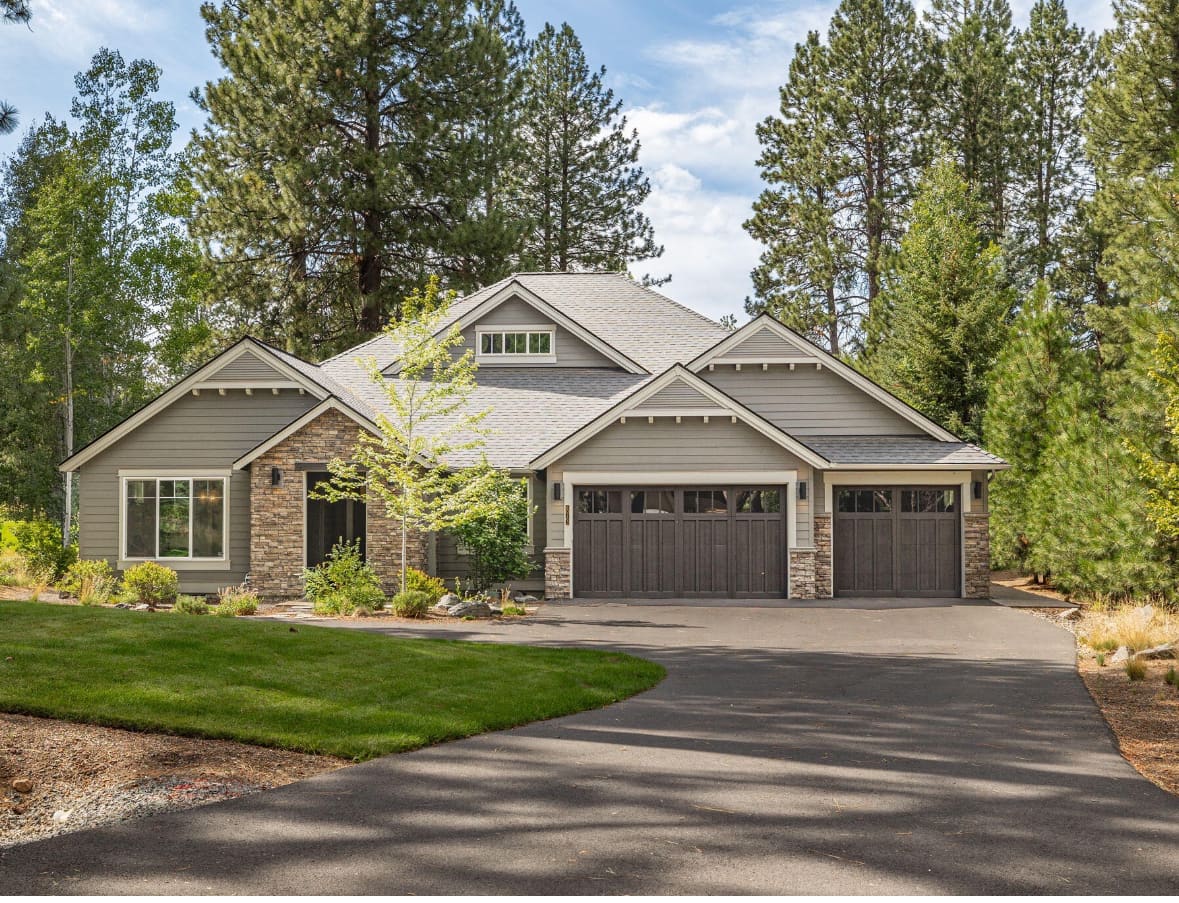
Last year I listed a home at 20767 NE Angora Ct for $699,900. Five offers came in within five days, in a market that isn’t equally competitive everywhere in Bend. It closed at $750,000 in thirty days. I sat at my kitchen table reading through those five offers, and only one of them made the decision easy. The other four were not bad offers. They just did not think like a seller.
That is the piece most buyers miss. You are not writing an offer to impress a computer or hit some magic number. You are writing a letter to a specific person who is about to hand over their house, their equity, and a fair amount of trust to a stranger. I am a real estate agent in Bend, Oregon helping relocation buyers moving to Bend and local move-up sellers and buyers, and I have now been on both sides of enough of these to know what actually moves a seller from “maybe” to “yes.” Here is the honest breakdown.
Price Is Necessary. It Is Rarely Sufficient.
Let’s get the obvious part out of the way. In a competitive Bend listing, price still matters and a lowball offer will not get a second look. But once several offers land within a reasonable range of each other, which is common on a well-priced home here, price stops being the only thing a seller is weighing. On the Angora Ct file, the winning offer was not the single highest number on the page. It was close to the top, and it was the cleanest.
Sellers are doing math you might not expect. They are asking themselves: if this deal falls apart in three weeks, do I still have a backup? How much of my moving timeline is riding on this buyer’s financing actually closing? Am I going to be dealing with a dozen repair requests after inspection? A high price attached to a shaky structure loses to a slightly lower price attached to a buyer who looks like they will actually show up at closing.
What Actually Wins: Clean Terms Over Clever Terms
Here is the honest version of what sellers and their agents look for, roughly in the order it gets read.
1. Strong, Verified Financing
A preapproval letter from a random online lender with no local track record reads differently than one from a lender the listing agent has closed with before. I am not saying you need a specific lender, I am saying a seller’s agent is going to make a call to that lender before advising their client, and what that lender says on the phone matters. Cash is powerful here, but full underwritten preapproval with a solid down payment and a lender who answers the phone on the first ring can compete with cash more often than people assume.
2. A Clean, Realistic Close Date
Sellers usually have a plan already in motion. Maybe they are the ones trying to buy their next place and need a specific closing window. Maybe they just want it over. An offer that flexes to meet the seller’s ideal timeline, even by a week or two, often outweighs a slightly higher offer that insists on the buyer’s preferred date instead. Ask your agent to find out the seller’s timeline before you write the offer. It is a simple question and it changes what you should propose.
3. Fewer, Smarter Contingencies
Every contingency you include is protection for you and a risk for the seller. That does not mean you should waive your inspection, and I never advise a buyer to skip it just to look stronger. What I do advise is trimming the contingencies that do not protect you against a real risk. A financing contingency, an appraisal contingency if your lender allows it, and an inspection contingency are usually the meaningful three. Beyond that, extra conditions start to read as friction rather than protection.
4. Earnest Money That Signals You Mean It
A thin earnest money deposit tells a seller you have not fully committed. A deposit that is a real percentage of the purchase price, put at risk and released to the seller at a reasonable point if you back out for a reason outside your contingencies, tells them the opposite. This is not about overpaying. It is about matching the size of your commitment to the size of the ask.
5. A Short, Human Letter, Used Carefully
A short note that says something true and specific about why you love the home can help on the margin, especially in a close call between two similar offers. I want to be honest here: it is not a silver bullet, and in some cases agents advise against it entirely for fair housing reasons, since a seller cannot legally factor in who a buyer is. Keep any note focused on the house itself, not on the buyer’s personal story, and let your agent tell you whether it is appropriate for that particular listing.
A Real Scenario: The Move-Up Buyer Competing Against a Cash Offer
I worked with a move-up buyer this year who was competing against a cash offer on a home in NE Bend, in the Mountain View area. On paper, cash almost always looks unbeatable. But the cash buyer wanted a fast close and a below-ask number, banking on the idea that cash alone would carry the deal. My buyer’s financing was fully underwritten, not just preapproved, which meant the appraisal and loan risk the seller usually worries about with financed offers was already mostly resolved before the offer was even written. I helped him match the seller’s preferred close date, keep the inspection contingency but shorten the response window, and write an earnest money deposit that signaled real commitment. My buyer’s offer was actually a touch higher than the cash offer, and paired with the reduced risk, it won. Cash is strong leverage, but it is not automatically the whole game, especially when a buyer’s financing is airtight and the terms around it are clean.
A Second Scenario: The Relocation Buyer Writing Sight Unseen
Relocation buyers moving to Bend from out of state sometimes have to write an offer on a home they have only seen over video. This can work, but it changes what a strong offer looks like. I tell these clients to lean harder on the financing side, since they cannot compensate with an in-person walkthrough or a fast in-person response to seller questions. A local lender relationship, a preapproval that has already cleared underwriting on income and assets, and a buyer’s agent who can physically walk the property and report back honestly all matter more here than usual. I have helped buyers from more than ten different metro areas write offers this way, and the ones that work best treat the video tour as the start of due diligence, not the end of it.
Common Mistakes I See Buyers Make
Waiving inspection to look aggressive. I understand the instinct in a hot market, but I do not recommend fully waiving your right to inspect. A better move in most cases is a short, tight inspection period focused on health and safety issues rather than a full renegotiation list. That protects you and still reads as decisive to a seller.
Writing the highest number and stopping there. Price gets attention, but if your financing looks shaky or your close date fights the seller’s plans, a lower, cleaner offer can beat you.
Not asking about the seller’s actual situation. Buyers skip this step constantly. A five minute conversation between agents about what the seller needs, timeline, rent-back, moving logistics, can change your entire offer strategy.
Treating every listing the same way. What wins on a $650,000 home in Larkspur is not always what wins on a $1.2 million home in NorthWest Crossing. Price tier and buyer pool shift the calculus, and your offer should shift with it.
Skipping the pre-offer call with the listing agent. This is the single easiest thing buyers leave on the table. A short call before you submit tells you what actually matters to that seller, and it is free information most buyers never ask for.
What This Looks Like Across Bend’s Price Tiers
In the $600,000 to $750,000 range, which typically buys in NE and SE Bend neighborhoods like Boyd Acres, Mountain View, Orchard District, Larkspur, Old Farm District, and Stone Creek, competition tends to be broad, with a wider mix of buyer types including first-time buyers and move-up sellers. Clean, well-supported offers win often here because the buyer pool is large and sellers get real choice.
Between $750,000 and $900,000, you are often looking at mountain view properties in SW Bend or, on the other side of town, homes in NW Bend that may need real work. The buyer pool narrows, and terms tend to matter even more relative to price, since fewer buyers are competing for a more specific type of home.
Above $1 million, particularly for true NW Bend mountain view properties, the buyer pool narrows further and the conversation shifts. Financing verification and clean terms carry even more weight, since these deals often move slower and a seller has more room to wait for the right buyer rather than the fastest one.
Frequently Asked Questions
Do I have to waive my inspection to win in Bend’s market? No. I do not recommend fully waiving inspection. A shortened, health-and-safety-focused inspection period is usually enough to look decisive without giving up real protection.
Is cash always better than a financed offer? Not always. A fully underwritten financed offer with clean terms and a matched closing timeline can beat a cash offer, especially one asking for a discount or an inconvenient close date.
How much earnest money should I put down? There is no single right number, but it should be a meaningful percentage of the purchase price. A thin deposit can make an otherwise strong offer look less serious.
Should I write a personal letter to the seller? Sometimes it helps on the margin between two close offers, but it is not required and in some cases your agent may advise against it. Ask before you write one.
Can I write a strong offer if I am buying from out of state and have not seen the home in person? Yes, but lean harder on verified financing and a buyer’s agent who can walk the property for you. I have helped relocation buyers from more than ten metro areas do this successfully.
What matters most if I am competing against multiple offers? Clean terms, verified financing, a closing date that fits the seller’s plan, and meaningful earnest money usually matter more than squeezing out the last few thousand dollars in price.
Does the price tier of the home change offer strategy? Yes. Lower price tiers in NE and SE Bend tend to draw more competition and reward clean, well-supported offers. Higher price tiers, especially above $1 million in NW Bend, involve fewer buyers and put even more weight on financing strength and terms.
Let’s Write an Offer That Actually Wins
If you are getting ready to compete for a home in Bend, I would rather help you write one strong offer than watch you get outbid five times guessing at what a seller wants. Call or text me at 541-610-5144, email [email protected], or find me at gobendhomes.com. I will walk you through exactly what the seller’s side is likely weighing before you submit.